Coffee Shops: More Than Just a Cup of Coffee
Explore the fascinating evolution of coffee shop culture from the first wave to the third wave, and discover how modern coffee shops have become social hubs, workspaces, and cultural centers.
we explore coffee culture, history, and the stories behind every bean. From ancient origins to modern brewing, we uncover the knowledge that deepens your connection to each cup. Whether you're discovering new rituals or savoring quiet mornings, this space is for curious minds and coffee hearts. Sip slowly, learn often, and live thoughtfully—one cup at a time.
Explore the fascinating evolution of coffee shop culture from the first wave to the third wave, and discover how modern coffee shops have become social hubs, workspaces, and cultural centers.
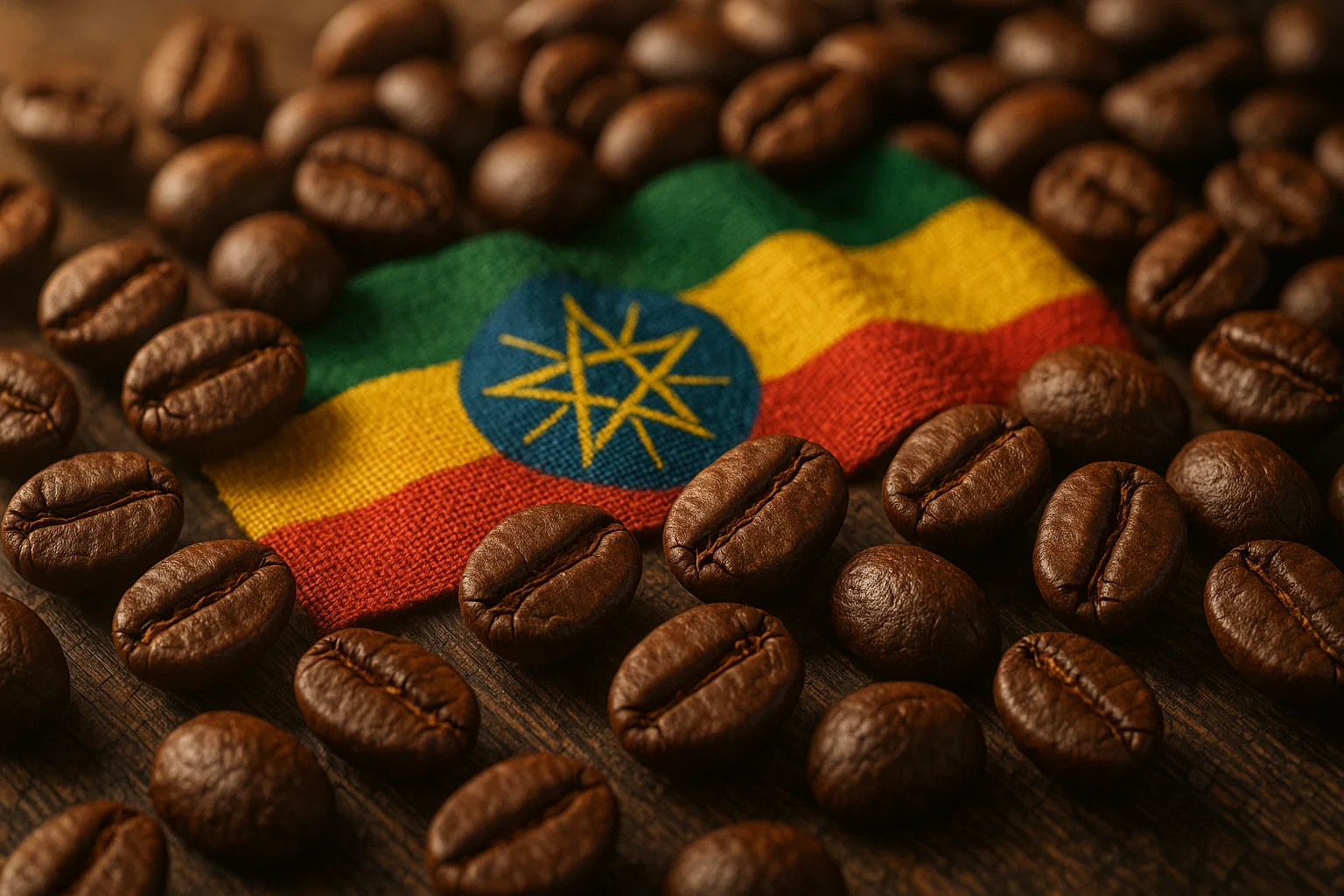
Journey to Ethiopia, the legendary birthplace of coffee. Explore the country's famous coffee regions, unique flavor profiles, processing methods, and the rich coffee culture that has captivated coffee lovers worldwide.
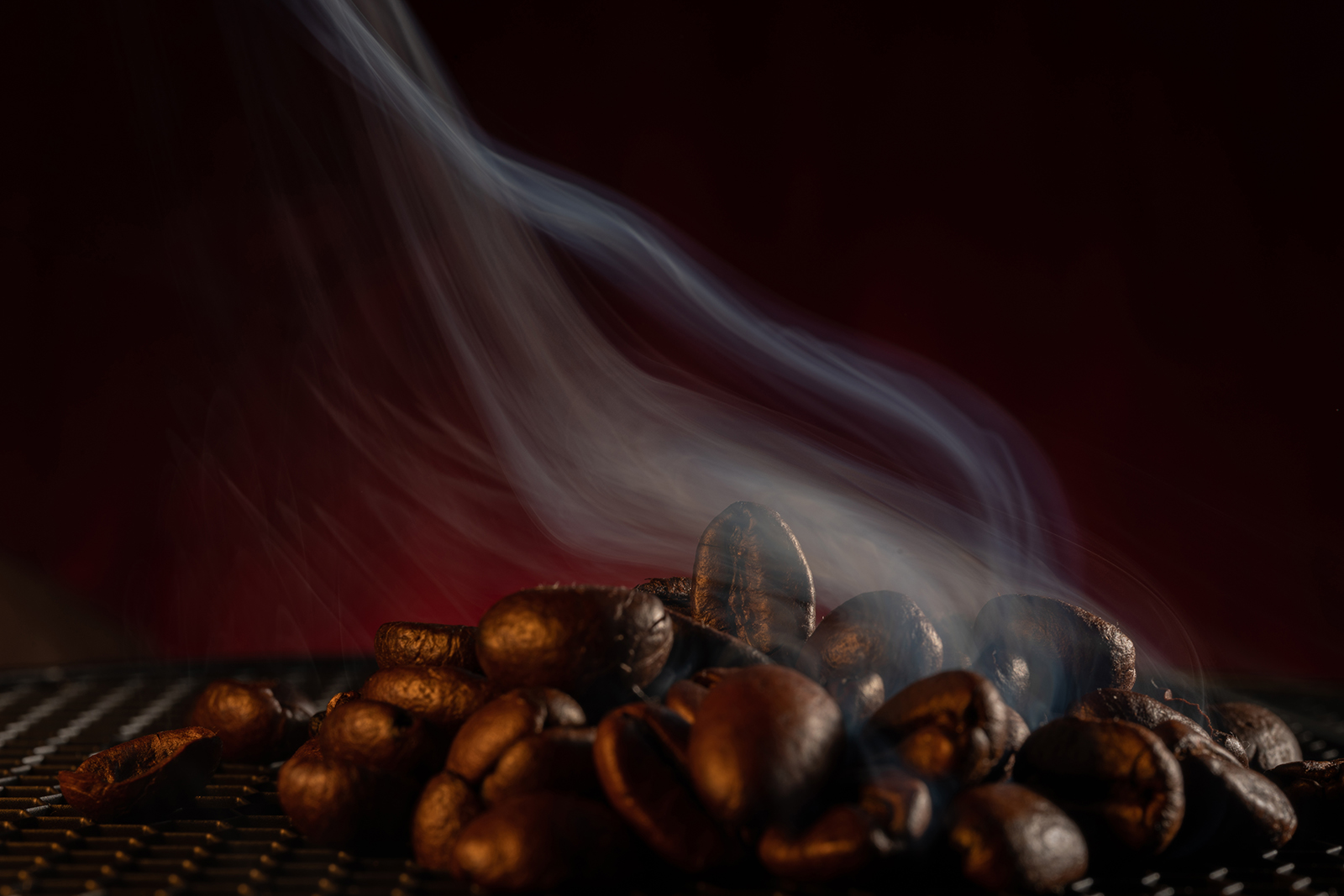
Charcoal roasted coffee originated in Japan, renowned for its extreme bitterness and called the world's boldest coffee. Discover its charcoal fire roasting process, unique flavor profile, health benefits, and brewing methods. Explore the aesthetic bitterness forged by fire.
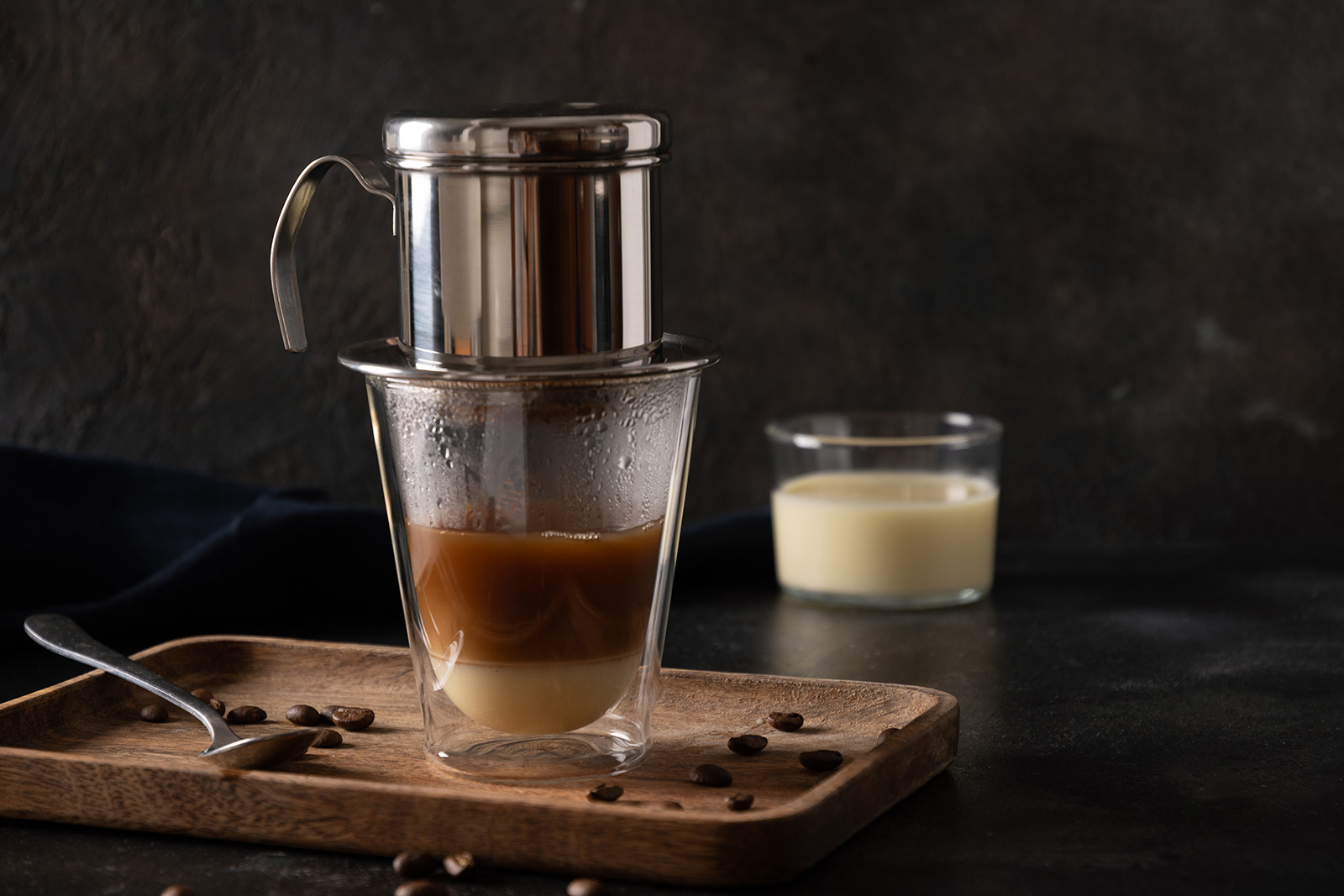
Discover the rich history and unique flavor of Vietnamese coffee. From its origins in French colonial times to becoming the world's second-largest exporter, learn about the traditional Phin drip brewing method, the ingenious use of condensed milk, and why this bold, chocolatey brew is loved worldwide.
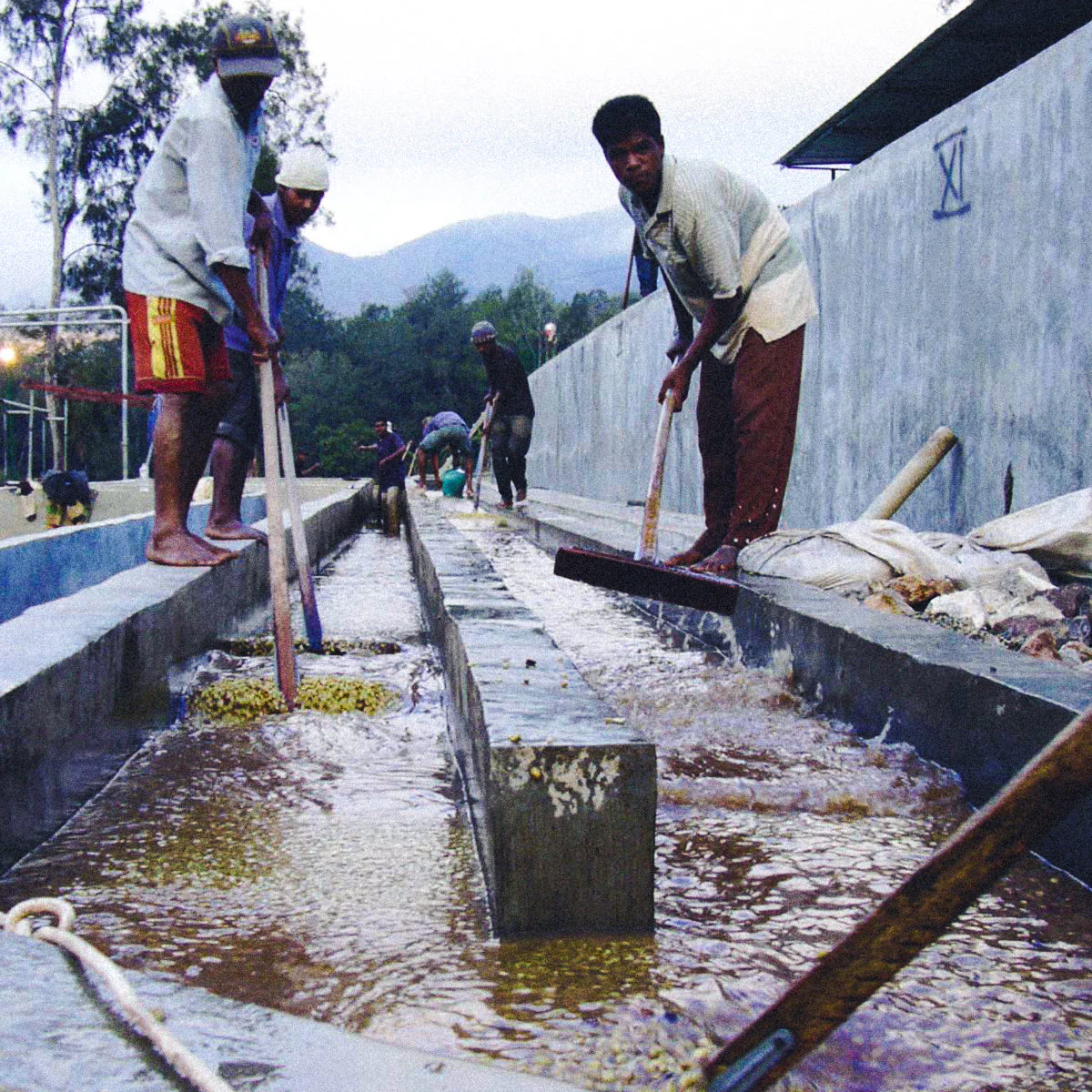
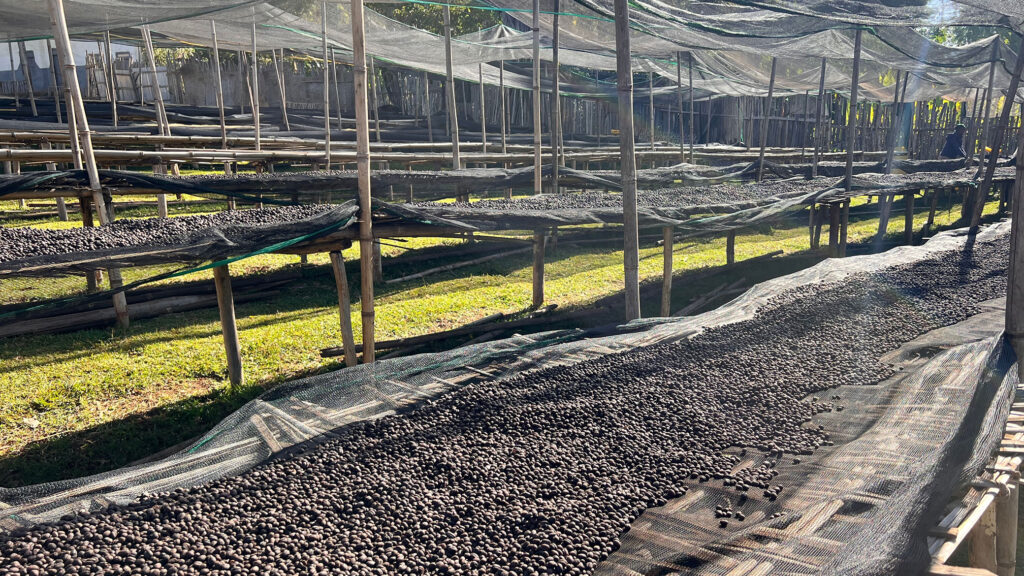
Natural-processed coffee beans taste sweeter than washed beans primarily due to fermentation and lower sugar loss. During natural processing, beans dry inside the fruit, allowing aromatic compounds from fermentation (like butyl butyrate) to penetrate and enhance perceived sweetness. In contrast, washed processing involves soaking beans in water, tricking them into pre-germination mode and consuming sugar. Washed beans, however, offer cleaner, more complex flavors due to controlled production and amino acid development.
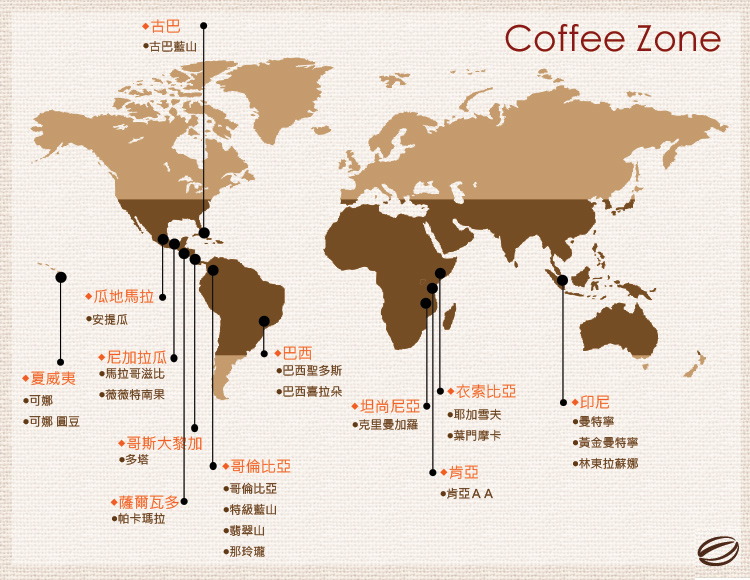
Around the world, coffee is a beloved beverage that fills every moment of life. Whether at home, in the office, or in various social settings, people are savoring coffee—it is closely linked with fashion and modern living. So, how well do you know coffee? Which country produces the best-tasting coffee in the world? For most people, this question may only be vaguely understood, but to provide a global ranking, professional insights are needed.
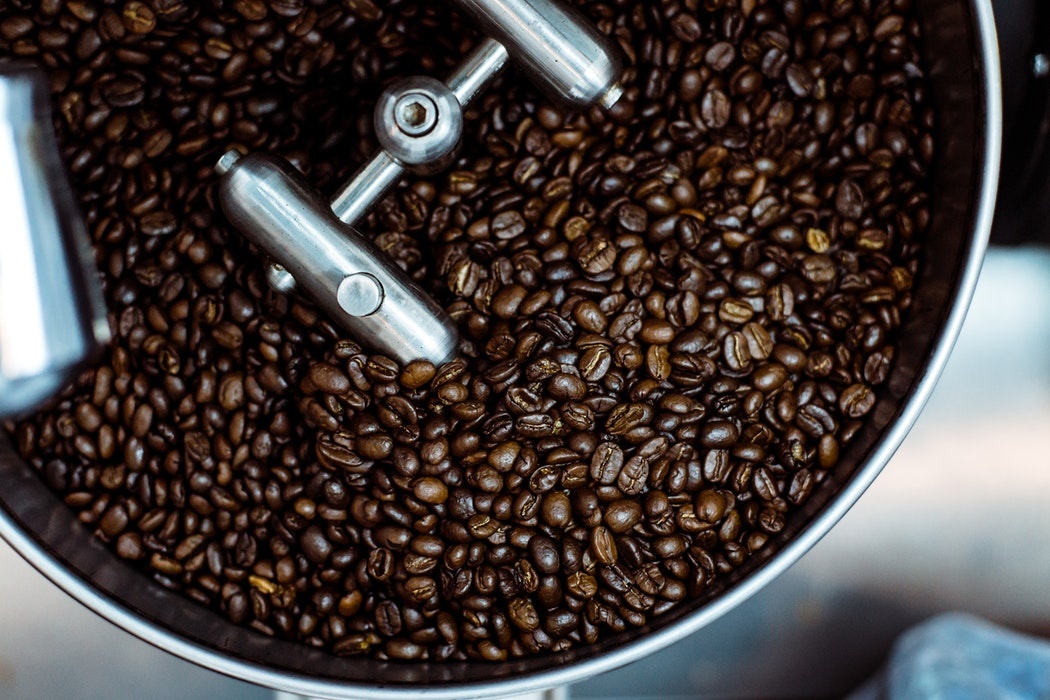
The best time to stop roasting depends on how the roaster captures the characteristics of the coffee beans. The degree of roasting should not be determined by personal preference. For example, Cuban coffee beans have thin pulp and a unique acidity and aroma.
Like many people, they have always been curious about how is coffee produced. What needs to happen in order for us to enjoy our favourite brew? Well, someone created an infographic entitled ‘’Coffee: From Seed to Cup’’. I glad they did.
Classifying coffee by genetics has always been a complicated task. For the coffee varieties encountered on the market, the most basic classification, of course, is to split them into Arabica and Robusta (hereafter referred to as Robusta beans)! Regarding the differences between Arabica and Robusta, we’ll mainly talk about the lineage divisions within the large Arabica family.