
How many processes does coffee go through from seed to cup?
Like many people, they have always been curious about how is coffee produced. What needs to happen in order for us to enjoy our favourite brew? Well, someone created an infographic entitled ‘’Coffee: From Seed to Cup’’. I glad they did.
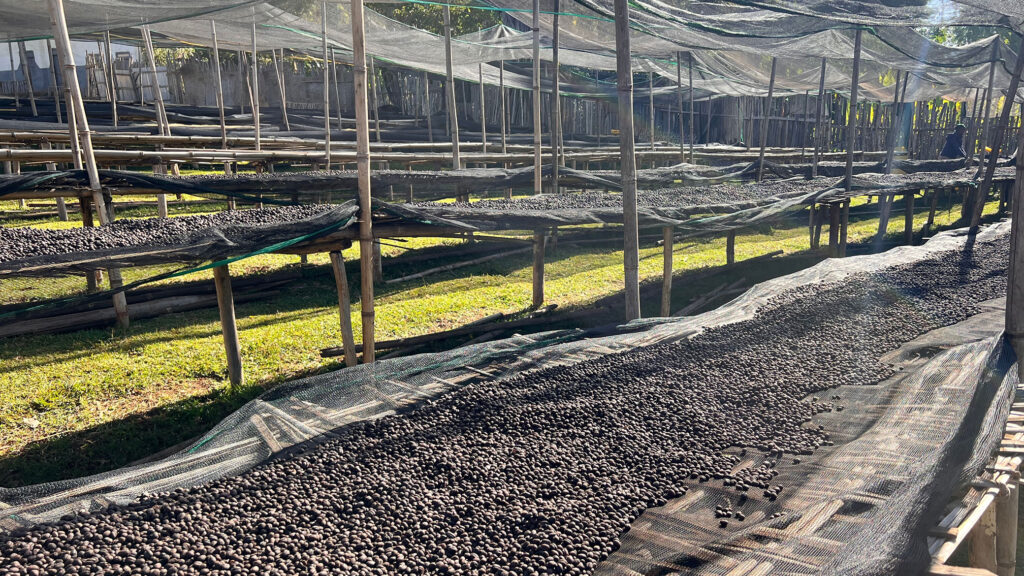
What procedures must coffee cherries undergo to become a real cup of coffee?
After the coffee tree finally bears abundant red cherries, there is still a long journey before it becomes a rich, aromatic coffee that can be enjoyed.
Step 1: Harvesting
Picking coffee cherries from the tree—this step alone involves various considerations:
- The roughest method is mechanical harvesting, which might even collect branches along with the cherries.
- A very rough approach is strip picking by farmers, where unripe, ripe, and overripe cherries all fall into the basket.
- A relatively rough method is shaking the branches, where only ripe and overripe cherries drop off.
- The most meticulous method is manual harvesting, where the picked fruits are at just the right level of ripeness, neither overripe nor underripe.
Step 2: Removing the Pulp and Skin
There are three processing methods: the natural (dry) method, the washed (wet) method, and the semi-washed (pulped natural) method.
The natural method is the most traditional and also the cheapest way to process coffee beans.
The specific method involves placing the picked coffee cherries on the ground, raking them several times a day to ensure the coffee beans dry evenly. Once the coffee beans are dried (when the moisture content reaches 12%), workers use a hulling machine to remove the pulp and skin, resulting in green coffee beans.
The washed method involves soaking the coffee cherries in a large water tank, where ripe cherries sink to the bottom, while unripe or overripe cherries float on the surface, thus allowing for sorting.
Additionally, a series of processing steps are required to obtain green beans.
The semi-washed method involves first sun-drying the coffee cherries to make them dry, then washing off the outer skin and pulp with water.
Coffee beans processed with the semi-wash method are always sticky, but their acidity and sweetness are quite good, and the aroma is very captivating.
Coffee green beans from different origins will be processed using different methods.
Step 3: Sorting
Electronic Method
The electronic method involves placing the beans in a funnel, where they drop one by one. The instrument emits X-rays, and when it detects a defective bean, it activates an air jet system, blowing the bean into the trash bin with a whoosh.
The manual method involves placing the beans on a conveyor belt, where sharp-eyed and quick-handed workers pick out defective beans one by one.
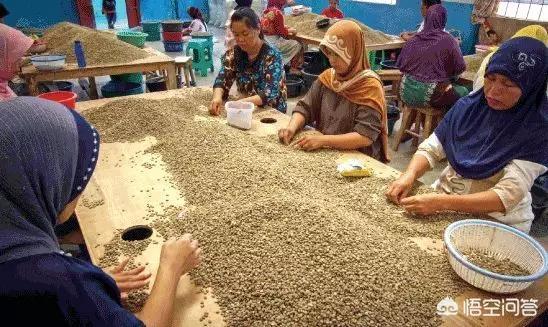
Manual Method
Manual selection, carefully and attentively picking each coffee bean, is both craftsmanship and sincerity.
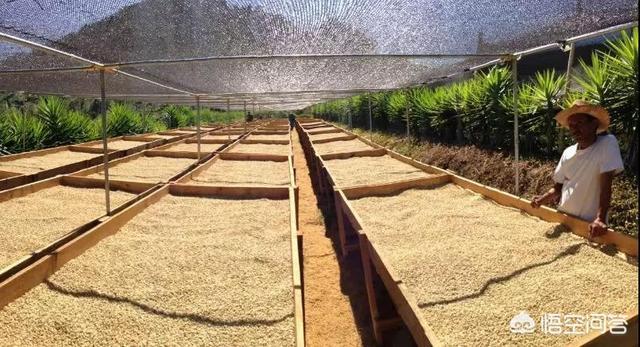
Step 4: Grading, primarily involves four methods:
Grading by coffee bean size
Coffee beans from the same origin are generally considered premium when they are large and plump. This grading method is achieved using a sieving process, where beans are separated into different grades by passing through screens with varying mesh sizes.
Grading by the count of defective beans
The method involves randomly sampling 300 grams of beans, placing them on black paper, where different defects correspond to different point values, and finally grading based on the cumulative defect score, with NY2 being the highest grade and NY8 being the lowest.
Grading by Origin Altitude
The higher the altitude of the origin, the better the quality of the coffee.
Other Classification Methods
Hawaiian Kona coffee beans are divided into two major categories: Type 1 and Type 2. Type 1 refers to flat beans, while Type 2 are peaberries. Under each category, they are further classified into various grades based on size and the number of defective beans.
Step 5: Roasting
After completing the first four steps, the coffee beans become green beans, and we still need to turn the green beans into roasted beans, which requires roasting, mainly done by machine or by hand.
Different beans require different roasting methods to bring out their unique characteristics.
- For example, for Mandheling, a medium-dark roast better highlights its bitterness;
- while for Guatemalan coffee, a light to medium roast allows its acidity and sweetness to fully shine.
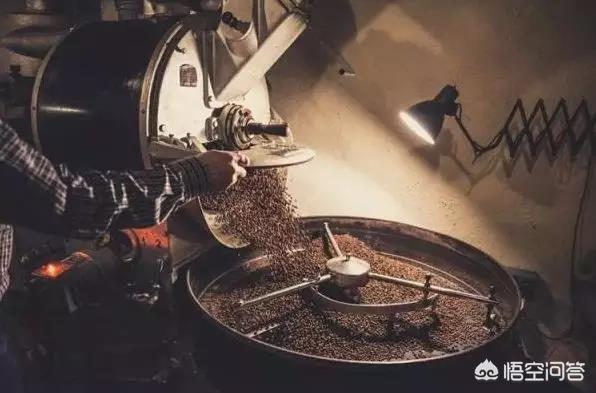
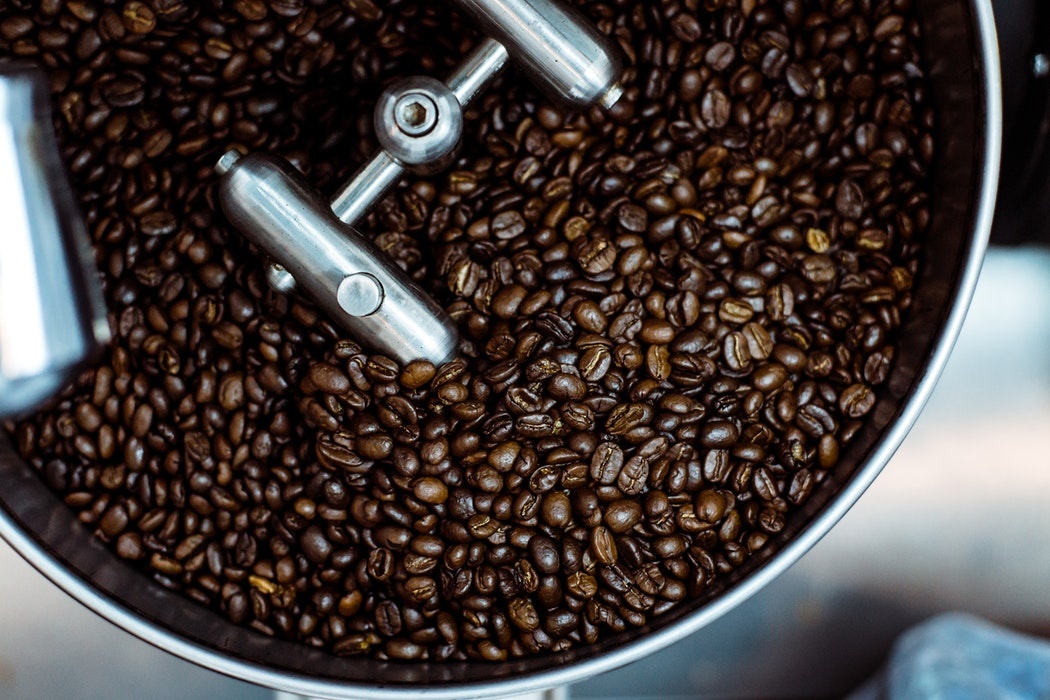
Roasting equipment, carefully controlling roasting time and temperature.
Step 6: Grinding
Grind the roasted beans into coffee powder using a coffee grinder. Different brewing equipment requires varying coarseness levels of coffee grounds, so adjust the grinder settings to produce the desired grind size.
The coffee beans are ground into coffee powder according to the customer's needs
Step 7: Brewing
Extract coffee using tools such as a siphon pot, French press, coffee machine, or Moka pot.

Until the aroma fills the air around you, take a gentle sip and savor the rich fragrance of the coffee beans.
Related Articles

Members of the Arabica Coffee Bean Family
Classifying coffee by genetics has always been a complicated task. For the coffee varieties encountered on the market, the most basic classification, of course, is to split them into Arabica and Robusta (hereafter referred to as Robusta beans)! Regarding the differences between Arabica and Robusta, we’ll mainly talk about the lineage divisions within the large Arabica family.
Coffee Roast Levels: Flavor & Caffeine Differences Explained
The best time to stop roasting depends on how the roaster captures the characteristics of the coffee beans. The degree of roasting should not be determined by personal preference. For example, Cuban coffee beans have thin pulp and a unique acidity and aroma.
Top 10 Coffee-Producing Countries: How Many Do You Know?
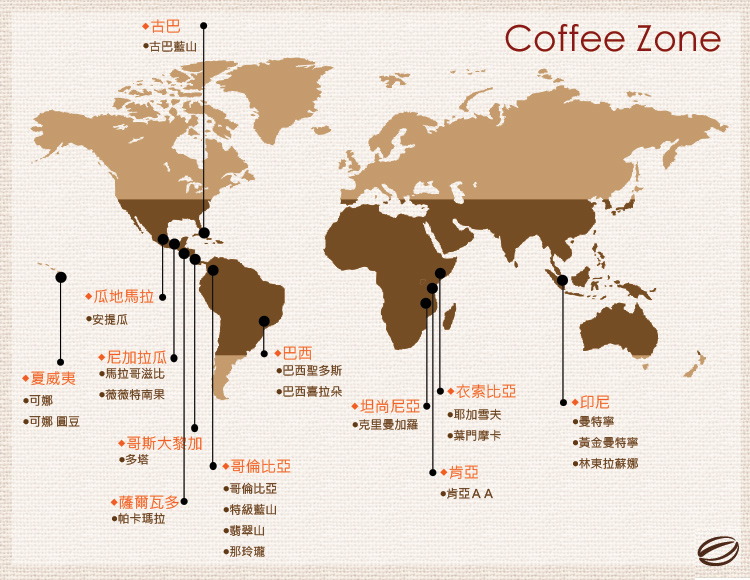
Around the world, coffee is a beloved beverage that fills every moment of life. Whether at home, in the office, or in various social settings, people are savoring coffee—it is closely linked with fashion and modern living. So, how well do you know coffee? Which country produces the best-tasting coffee in the world? For most people, this question may only be vaguely understood, but to provide a global ranking, professional insights are needed.