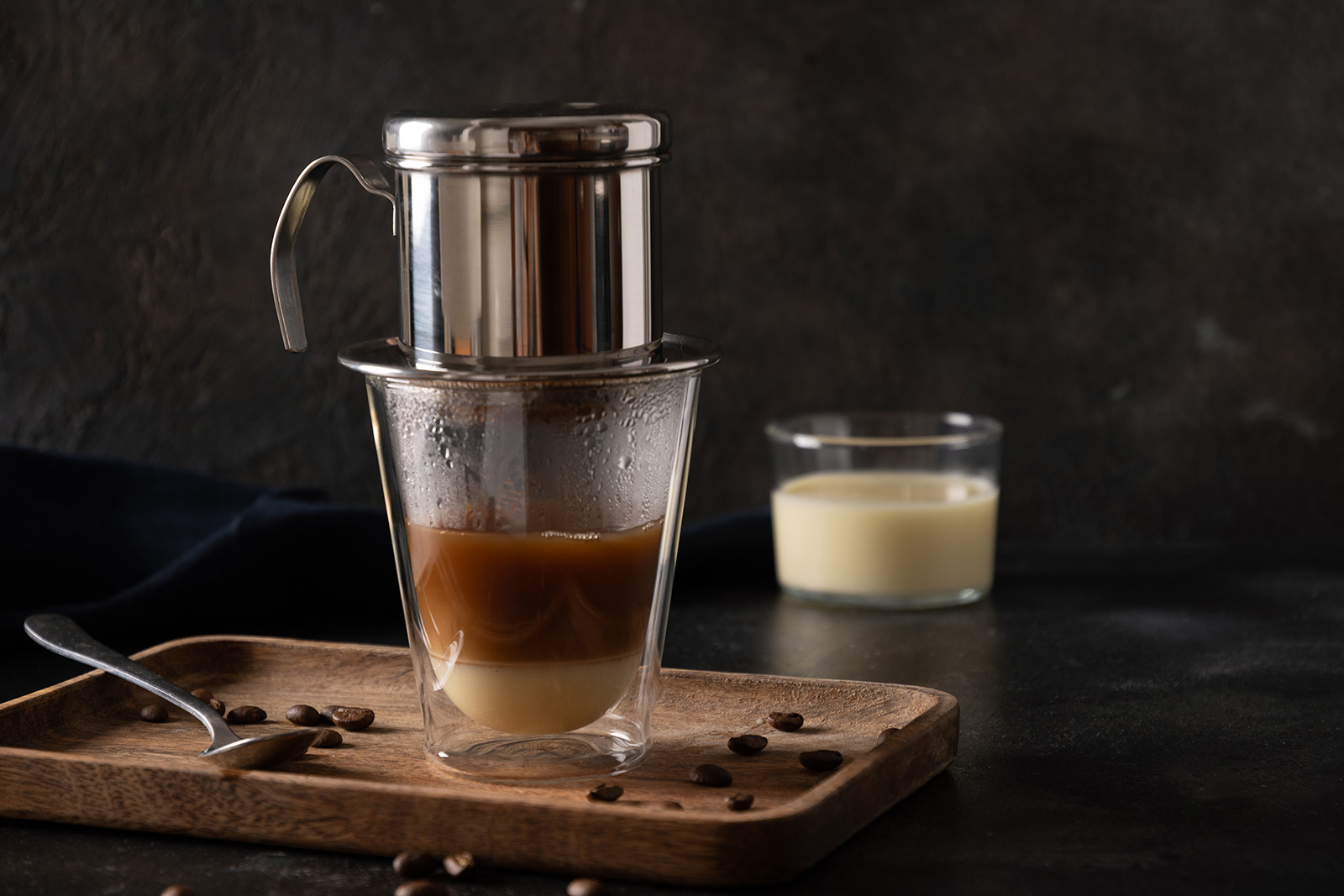
Charcoal Roasted Coffee: The Art of Bitterness Forged by Fire, The World's Boldest Brew
Charcoal roasted coffee originated in Japan, renowned for its extreme bitterness and called the world's boldest coffee. Discover its charcoal fire roasting process, unique flavor profile, health benefits, and brewing methods. Explore the aesthetic bitterness forged by fire.
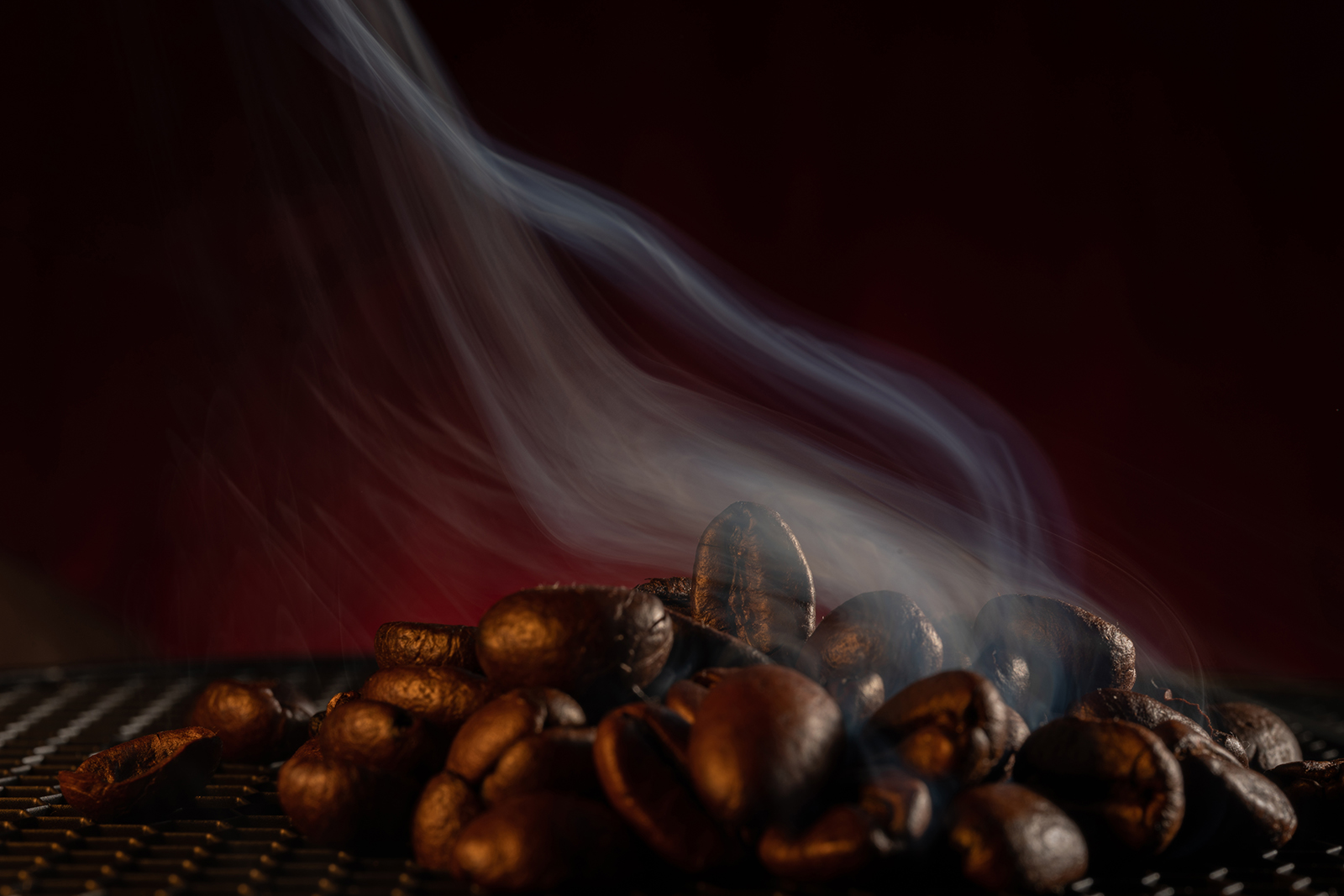
In the world of coffee, some prefer light roasts with bright acidity, while others favor medium roasts with balanced body and aroma. But there is one type of coffee that stands out for its extreme bitterness, yet within that bitterness lies a captivating sweetness and fragrance—this is charcoal roasted coffee.
Charcoal roasted coffee is often called "the world's boldest coffee," but it is far from simply bitter. It is a flavor art forged by fire, a unique interpretation of coffee by Japanese craftsmen. Today, let's explore the origins, craftsmanship, and charm of charcoal roasted coffee.
Historical Origins: Japan's "Bitter" Revolution
Charcoal roasted coffee originated in early 20th century Japan. Interestingly, Japan does not grow its own coffee beans; all beans are imported. Yet the Japanese people deeply loved coffee and did not want to leave its formula entirely in the hands of others, so they devoted themselves to developing their own coffee style.
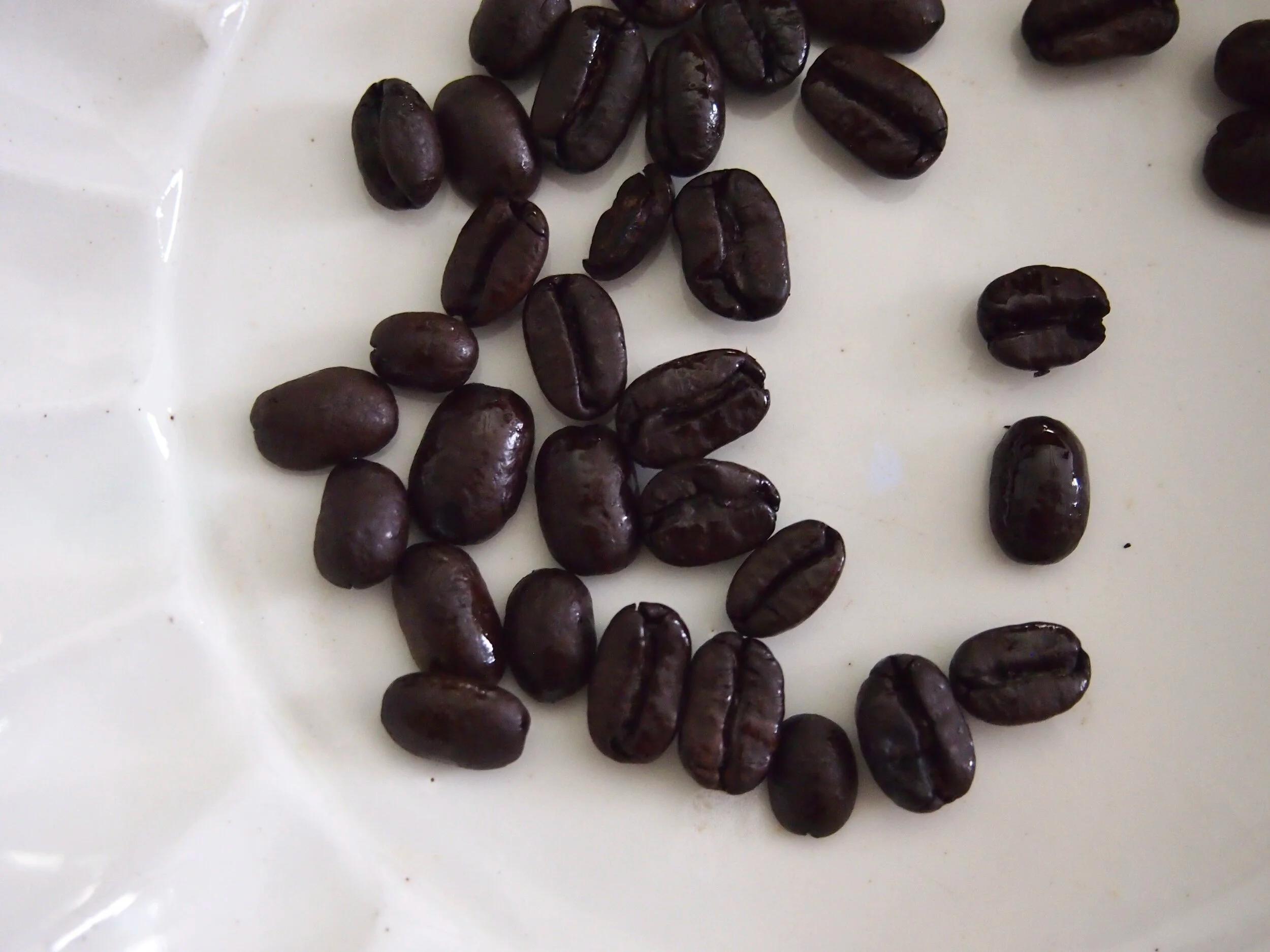
At that time, the coffee world had various schools of thought—acidity, aroma, sweetness, body—but "bitterness" was almost a blank slate. The Japanese seized this opportunity, building their reputation on bitterness. They roasted coffee beans to extreme depths, pushing bitterness to its limit while preserving richness and aroma, ultimately establishing a unique flag in the coffee world.
This craft revolution, elevated from survival necessity to artisan pursuit, made charcoal roasted coffee a bridge connecting tradition and modernity, carrying the Eastern aesthetic of "wabi-sabi"—finding beauty in imperfection and quiet bitterness.
Craft Analysis: The Dance of Charcoal and Beans
Authentic charcoal roasted coffee uses charcoal fire for deep roasting, completely different from common gas roasting or infrared roasting. Its core process includes the following key elements:
Charcoal Selection
Traditional methods use hardwood charcoal from oak, pecan, or Japanese binchotan charcoal, slow-roasting at high temperatures between 200 to 230 degrees Celsius. The far-infrared rays released by burning charcoal penetrate the beans evenly, preventing burnt exteriors and raw interiors while preserving the natural balance of coffee oils and flavors.
Three-Stage Roasting
Traditional charcoal roasting uses a "three-stage temperature rise" method for temperature control. The dehydration stage lasts about five minutes, using medium heat to remove moisture from the beans. The caramelization stage lasts about ten minutes, using high heat to trigger the Maillard reaction, forming a carbonized layer on the bean surface. The flavor-setting stage lasts about five minutes, using low heat to stabilize the aroma. Throughout the process, craftsmen manually stir to ensure each bean roasts evenly. Japanese artisans often need more than ten years of training to master the rhythm of charcoal stirring.
Chemical Reactions
Under high temperatures, coffee beans undergo complex Maillard reactions and caramelization. Deep caramelization causes coffee beans to lose most of their acidic substances while generating volatile compounds: pyrazines bring dark chocolate and roasted notes, guaiacol brings smoky wood aromas, and gamma-nonalactone brings coconut fragrance. Charcoal roasted coffee contains significantly more caramel compounds than regular coffee, with greatly reduced acidity.
Flavor Profile: The Dialectics of Bitterness and Sweetness
The flavor of charcoal roasted coffee can be analyzed in three layers:
Initial Impact: Upon entry, an intense interplay of bitter and sweet emerges, reminiscent of roasted nuts and dark chocolate. This bitterness stems from deep caramelization, with Maillard reaction levels far exceeding those of regular coffee.
- Mid-Palate Transformation: Smoky notes gradually unfold, with guaiacol levels far exceeding those of gas roasting. These phenolic compounds combine with coffee oils to create complex aromas intertwining cedar and sandalwood. Some premium products also offer hints of coconut or cocoa in the finish.
- Lingering Finish: Deep roasting significantly increases the porosity of coffee beans, giving the liquid a velvety texture. Charcoal coffee processed with freeze-drying technology can leave a silky sensation in the mouth for an extended time, with acidity well-controlled, perfectly suited to Asian palates.
This transition from bitterness to sweetness constitutes the unique sensory dialectics of charcoal coffee—using absolute bitterness to create infinite possibilities for sweetness.
Health Benefits and Precautions
Charcoal roasted coffee not only offers unique flavor but also provides certain health benefits:
Main Benefits: Higher caffeine content than regular coffee, enhancing focus by stimulating the sympathetic nervous system. Caffeine accelerates fat breakdown and body fluid drainage, aiding in weight loss and reducing edema. Deep roasting generates antioxidants like melanoidins, with charcoal coffee's antioxidant value several times higher than light roasts. Regular coffee consumption helps protect against radiation damage, particularly beneficial for those who spend long hours on computers. Moderate daily intake stimulates gallbladder contraction and helps prevent gallstones.
Precautions: Those with hypertension, coronary heart disease, or arteriosclerosis should limit consumption. Elderly women should be cautious as coffee can reduce calcium absorption. Individuals with stomach conditions may experience worsened symptoms with excessive intake. Pregnant women and those with vitamin B1 deficiency should also avoid it. Daily intake should not exceed two cups to prevent excessive burden on the heart from overly strong coffee.
How to Taste and Brew Charcoal Roasted Coffee
Buying Guide: High-quality charcoal roasted coffee powder appears uniformly dark brown with no clumping. Prioritize products labeled "charcoal direct-fire roasted" or "no artificial flavors added." Recommended brands include Beini Bear instant coffee, Chunguang cold brew charcoal series, and Nanguo freeze-dried black coffee.
Brewing Suggestions: Control water temperature between 83 to 88 degrees Celsius, with ideal hand-brew temperature around 86 degrees. Recommended coffee-to-water ratio is 1:13 to 1:15. Choose a medium-fine grind size, with brewing time approximately two minutes. Recommended equipment includes siphon brewers, pour-over drippers, or French presses.
Creative Pairings: Adding condensed milk creates a unique flavor experience. Adding coconut milk balances bitterness, creating a "tropical latte." Iced versions make excellent summer refreshments.
Conclusion
The essence of charcoal roasted coffee lies in the deconstruction and reconstruction of bitterness. From the stirring rhythm mastered only after decades of training by Tokyo artisans, to Hainan's Li ethnic group weaving coconut fragrance into the fabric of bitterness through regional innovation, this black elixir forged by fire has become a bridge connecting tradition and modernity.
The bitterness of charcoal roasted coffee represents the ultimate Eastern aesthetic of leaving space—using absolute bitterness to create infinite possibilities for imagination. The next time you lift this dark liquid to your lips, savor the sweetness that emerges through the smoke and experience the flavor philosophy forged by fire.